

















Article courtesy of Heritage Skills USA
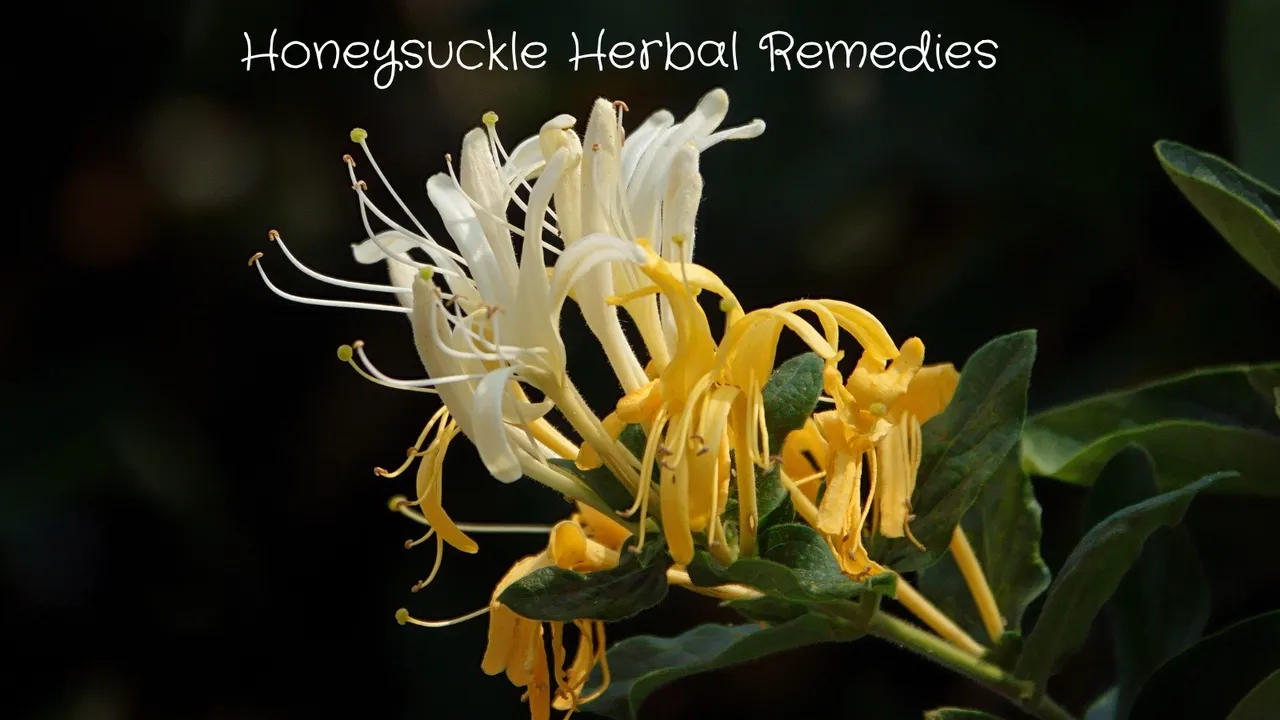
Honeysuckle, with its sweet fragrance and delicate blooms, has captivated gardeners and herbalists alike for centuries. Beyond its ornamental value, this versatile plant offers a remarkable range of medicinal benefits that have been recognized across cultures and throughout history.
The genus Lonicera, particularly Lonicera japonica (Japanese honeysuckle) and Lonicera periclymenum (European honeysuckle), contains powerful compounds that can address various health concerns. This comprehensive guide explores the medicinal applications of honeysuckle, identifies its edible parts, traces its rich historical use in traditional medicine, provides tips for identifying and harvesting this beneficial plant, and offers practical recipes for creating your own honeysuckle remedies at home.
Whether you’re a seasoned herbalist or simply curious about natural alternatives to support your well-being, honeysuckle’s gentle yet effective properties make it a valuable addition to any herbal medicine cabinet.
.png/:/cr=t:0%25,l:0%25,w:100%25,h:100%25/rs=w:1280 "honeysuckle theme unit for kids")
Healing with Honeysuckle
Honeysuckle’s therapeutic potential extends far beyond its pleasant aroma and sweet nectar. Modern research has validated many traditional uses of this remarkable plant, revealing a complex profile of bioactive compounds that contribute to its medicinal properties.
Antimicrobial and Antiviral Properties
Perhaps the most extensively studied benefit of honeysuckle is its potent antimicrobial action. Numerous studies have demonstrated that honeysuckle extracts, particularly from Lonicera japonica (Japanese honeysuckle), exhibit significant activity against various bacteria and viruses. The plant contains chlorogenic acid and other phenolic compounds that disrupt bacterial cell membranes and inhibit viral replication. In traditional Chinese medicine (TCM), honeysuckle has been used for centuries to treat infections of the upper respiratory tract, including colds, flu, and sore throats.
Anti-inflammatory Effects
Inflammation underlies many chronic health conditions, from arthritis to heart disease. Honeysuckle contains flavonoids and organic acids that help modulate inflammatory responses in the body. Research indicates that honeysuckle extracts can inhibit pro-inflammatory cytokines and reduce oxidative stress, potentially alleviating symptoms of inflammatory conditions. This anti-inflammatory action contributes to honeysuckle’s traditional use for treating hot, inflamed conditions such as fevers, skin eruptions, and inflammatory arthritis.

Antioxidant Protection
Free radicals and oxidative stress contribute to aging and disease development. Honeysuckle is rich in antioxidants, including quercetin, kaempferol, and luteolin, which neutralize harmful free radicals and protect cells from oxidative damage. Regular consumption of honeysuckle tea or other preparations may help support overall cellular health and longevity.
Fever Reduction
In traditional medicine systems, honeysuckle has earned a reputation as a cooling herb that helps reduce fevers. Its antipyretic (fever-reducing) properties make it particularly valuable for treating heat-related illnesses and feverish conditions. The combination of anti-inflammatory, antimicrobial, and cooling properties makes honeysuckle an excellent herb for addressing the root causes of fever while providing symptomatic relief.
Detoxification Support
Honeysuckle has been traditionally used to support the body’s natural detoxification processes. It may enhance liver function and promote the elimination of toxins through various pathways. In TCM, honeysuckle is classified as a herb that clears heat and toxins from the body, making it useful for conditions characterized by toxin accumulation, such as boils, carbuncles, and other skin infections.
Cardiovascular Benefits
Emerging research suggests that honeysuckle may offer cardiovascular protection through multiple mechanisms. Studies indicate that certain compounds in honeysuckle can help regulate blood pressure, improve lipid profiles, and protect against atherosclerosis. These effects may be attributed to the plant’s antioxidant and anti-inflammatory properties, as well as specific compounds that influence cardiovascular function.
Gastrointestinal Support
Traditionally, honeysuckle has been used to address various digestive complaints, including dysentery, gastroenteritis, and ulcerative colitis. Its anti-inflammatory and antimicrobial properties help soothe irritated digestive tissues and combat pathogenic microorganisms that can disrupt digestive health. Some preparations of honeysuckle may also have mild laxative effects, promoting regular bowel movements.
Diabetes Management
Preliminary research suggests that honeysuckle extracts may have anti-diabetic potential. Certain compounds in the plant appear to improve insulin sensitivity, reduce blood glucose levels, and protect pancreatic beta cells from damage. While more clinical studies are needed, these findings align with traditional uses of honeysuckle in managing diabetes-related symptoms in some medical traditions.

Neuroprotective Effects
Some studies indicate that honeysuckle extracts may offer neuroprotection, potentially benefiting conditions like Alzheimer’s disease and other neurodegenerative disorders. The antioxidant and anti-inflammatory properties of honeysuckle contribute to this neuroprotective effect by reducing oxidative stress and inflammation in the brain, two factors implicated in neurodegeneration.
While honeysuckle is primarily known for its medicinal properties, certain parts of the plant are edible and can be incorporated into culinary creations as well as herbal remedies. Understanding which parts are safe to consume and how to prepare them is essential for making the most of this versatile plant.
Flowers: Nature’s Sweet Treat
The most commonly consumed part of the honeysuckle plant is its flowers. The nectar-filled blossoms of many honeysuckle species, particularly Lonicera japonica and Lonicera periclymenum, offer a sweet, honey-like taste that can be enjoyed straight from the plant or used in various preparations. To consume the nectar, gently pull the stamen through the base of the flower to extract the sweet liquid inside. This simple pleasure has delighted children and adults alike for generations.
Beyond direct consumption, honeysuckle flowers can be infused into syrups, honeys, and teas to capture their delicate flavor and medicinal properties. Flower-infused honey combines the antimicrobial properties of both ingredients, creating a powerful yet pleasant-tasting remedy for sore throats and coughs. Dried flowers can be used to make teas that harness honeysuckle’s cooling, anti-inflammatory, and antimicrobial benefits.
In herbal medicine, honeysuckle flowers are the most commonly used part for medicinal preparations. They contain the highest concentration of active compounds, including chlorogenic acid, luteolin, and inositol. Flower-based remedies are particularly effective for addressing fever, inflammation, infections, and respiratory conditions.
Leaves: Therapeutic Potential
Honeysuckle leaves, while less commonly used than the flowers, also contain beneficial compounds that contribute to the plant’s medicinal profile. The leaves can be harvested and dried for use in teas and infusions. In traditional Chinese medicine, honeysuckle leaf tea is used to clear heat and toxins from the body, making it useful for treating hot conditions such as fevers, inflammatory skin eruptions, and infections.
Fresh honeysuckle leaves can also be used topically in poultices to address skin conditions. The anti-inflammatory and antimicrobial properties of the leaves help soothe irritated skin and combat infections. A simple poultice can be made by crushing fresh leaves and applying them directly to affected areas, or by wrapping crushed leaves in a thin cloth and applying with gentle pressure.
It’s important to note that while the leaves are used medicinally, they should not be consumed in large quantities as a food. Some honeysuckle species contain compounds in their leaves that may cause digestive upset if consumed in excess.
Berries: Proceed with Caution
The berries of honeysuckle present a more complex situation. While berries from some honeysuckle species are edible, others can be toxic. The berries of Lonicera caerulea (blue honeysuckle or haskap) are not only safe but also highly nutritious, containing high levels of anthocyanins and vitamin C. These edible berries can be used in jams, jellies, juices, and even wines.
However, the berries of many common ornamental honeysuckle species, including Lonicera japonica, contain compounds that can cause nausea, vomiting, and diarrhea if consumed in quantity. For this reason, it’s generally advised to avoid consuming honeysuckle berries unless you can positively identify them as belonging to a known edible species.
In herbal medicine, even the berries of medicinal honeysuckle species are rarely used, with practitioners preferring the safer and more potent flowers and leaves for therapeutic applications.
Stems and Bark: Traditional Elements
In some traditional medicine systems, particularly TCM, the stems and bark of certain honeysuckle species are used medicinally. Known as “Jin Yin Hua” (the stems of Lonicera japonica), these parts are typically dried and decocted to treat conditions like arthritis, infections, and inflammatory disorders.
The stems contain lignans and other compounds that contribute to honeysuckle’s anti-inflammatory and antimicrobial effects. However, stem and bark preparations are typically reserved for specific therapeutic contexts under the guidance of trained practitioners, rather than for general home use or consumption.
The therapeutic use of honeysuckle stretches back thousands of years, weaving through various cultural traditions and medical systems. This rich historical tapestry reveals how different civilizations recognized and harnessed the healing potential of this remarkable plant.
Ancient Chinese Medicine: The Cornerstone of Honeysuckle’s Medicinal Legacy
Honeysuckle’s most documented historical use comes from traditional Chinese medicine (TCM), where it has been employed for at least 2,000 years. Known as Jin Yin Hua (金銀花), the flower of Lonicera japonica became one of the most important herbs in the Chinese pharmacopeia. The first written record of honeysuckle’s medicinal use appears in the Shennong Bencao Jing (Divine Farmer’s Materia Medica), compiled around 200-250 CE, where it was classified as a superior herb that could be taken regularly to promote longevity without toxic effects.
In the TCM system, honeysuckle was categorized as a cooling herb that clears heat and toxins from the body. It was particularly valued for treating febrile diseases (conditions with fever), inflammatory disorders, and infections. The 16th-century Chinese medical classic, Compendium of Materia Medica by Li Shizhen, elaborated on honeysuckle’s applications, recommending it for conditions ranging from epidemic fevers to carbuncles and abscesses.
During epidemics throughout Chinese history, honeysuckle frequently appeared in formulas designed to prevent and treat contagious diseases. This traditional use has found validation in modern research, which has confirmed honeysuckle’s antiviral properties against influenza, SARS-related coronaviruses, and other pathogens.
.png/:/cr=t:0%25,l:0%25,w:100%25,h:100%25/rs=w:1280 "homestead network")
European Herbal Traditions: A Different Perspective
While honeysuckle species grow abundantly throughout Europe, their medicinal use in European herbalism was less extensive than in Asian traditions. European honeysuckle (Lonicera periclymenum) was recognized for its medicinal properties, but it didn’t achieve the prominence of other European medicinal herbs.
In medieval European herbal texts, honeysuckle occasionally appears as a remedy for respiratory conditions, urinary complaints, and as a diuretic. The 17th-century English herbalist Nicholas Culpeper described honeysuckle as useful for obstructions of the liver and spleen, and recommended it for clearing away “tough phlegm that sticks in the lungs.”
By the 18th and 19th centuries, European interest in honeysuckle’s medicinal properties had increased somewhat. Various preparations were used to treat gout, rheumatism, respiratory infections, and skin conditions. However, it remained a secondary herb in the European pharmacopeia, overshadowed by more frequently used plants.
Native American Traditions: Indigenous Wisdom
Various indigenous North American tribes incorporated native honeysuckle species into their healing practices. The Cherokee used trumpet honeysuckle (Lonicera sempervirens) to treat asthma, sore throats, and digestive issues. The Iroquois prepared infusions from honeysuckle stems and leaves to reduce fevers and alleviate pain.
Other tribes applied crushed honeysuckle leaves as poultices for bee stings, skin infections, and inflammatory skin conditions. Some Native American healers also recognized honeysuckle’s diuretic properties and used it to address urinary tract complaints and to reduce swelling in the lower extremities.
Cross-Cultural Exchange and Modern Revival
The global exchange of medicinal knowledge accelerated during the Age of Exploration, with European colonizers encountering both Native American and Asian medical traditions. The introduction of Asian honeysuckle species to Western gardens in the 18th and 19th centuries eventually led to greater Western interest in their medicinal applications.
By the early 20th century, scientific interest in honeysuckle’s properties began to emerge. Early phytochemical studies identified various compounds in honeysuckle, including glycosides, saponins, and tannins, providing some scientific basis for its traditional uses.
The mid-to-late 20th century saw a resurgence of interest in traditional herbal remedies, including honeysuckle. As part of the broader revival of herbalism in Western countries, honeysuckle began appearing in herbal formularies and reference books, often with information drawn from its extensive use in TCM.
The 21st century has brought renewed scientific attention to honeysuckle, with numerous studies investigating its antimicrobial, anti-inflammatory, and antioxidant properties. The COVID-19 pandemic further heightened interest in honeysuckle’s antiviral potential, with researchers examining its effects against SARS-CoV-2 and other respiratory viruses.
This historical journey reveals how honeysuckle has maintained its place in the herbal medicine cabinet across centuries and cultures. From ancient Chinese physicians to contemporary researchers, the recognition of honeysuckle’s therapeutic value represents a continuous thread of human understanding about the healing power of plants.
With over 180 species in the Lonicera genus, identifying honeysuckle correctly is crucial for both medicinal use and ecological awareness. This section provides comprehensive information on identifying common medicinal honeysuckle species, understanding where they naturally grow, and recognizing potential look-alikes.
Common Medicinal Honeysuckle Species
Japanese Honeysuckle (Lonicera japonica)
Japanese honeysuckle is the most widely used species for medicinal purposes and the primary honeysuckle in traditional Chinese medicine. Key identifying features include:
– Growth habit: Vigorous climbing or trailing vine that can reach 30 feet in length
– Leaves: Opposite, oval to oblong, 1-3 inches long, sometimes lobed when young, with entire margins
– Flowers: Highly fragrant, tubular, initially white but aging to yellow, growing in pairs
– Blooming season: Late spring through summer, sometimes into fall in warmer climates
– Berries: Small, round, black berries that appear after flowering
– Distinctive features: Flowers at the leaf axils, semi-evergreen in mild climates
European Honeysuckle (Lonicera periclymenum)
Also known as woodbine, this species has historical use in European herbal traditions:
– Growth habit: Twining woody climber reaching 20 feet
– Leaves: Opposite, oval, dark green, not joined at the base
– Flowers: Strongly fragrant, tubular, yellowish-white often flushed with pink or purple
– Blooming season: June to September
– Berries: Clusters of red berries that appear in fall
– Distinctive features: Flower clusters at branch tips rather than leaf axils
Blue Honeysuckle (Lonicera caerulea)
Valued for its edible berries as well as medicinal properties:
– Growth habit: Deciduous shrub growing 3-6 feet tall
– Leaves: Oval to oblong, 1-2 inches long, with smooth edges
– Flowers: Small, yellowish-white, bell-shaped, appearing in pairs
– Blooming season: Early spring
– Berries: Edible blue-purple elongated berries with a bloom similar to blueberries
– Distinctive features: Distinctive berry shape and early flowering
Trumpet Honeysuckle (Lonicera sempervirens)
A North American native with medicinal uses in indigenous traditions:
– Growth habit: Twining vine growing 10-20 feet
– Leaves: Opposite, oval, bluish-green, with the uppermost pairs joined around the stem
– Flowers: Tubular, coral to red on the outside and yellowish inside, not strongly fragrant
– Blooming season: Spring through summer
– Berries: Bright red berries in fall
– Distinctive features: Showy tubular flowers attractive to hummingbirds
Where to Find Honeysuckle
Natural Habitats
Different honeysuckle species thrive in various habitats:
– Japanese honeysuckle has naturalized throughout the eastern and southern United States, parts of Europe, Australia, and New Zealand. It prefers woodland edges, disturbed areas, and riparian zones.
– European honeysuckle is native to woodlands, hedgerows, and scrublands across Europe and western Asia.
– Blue honeysuckle naturally occurs in cool northern regions, including Russia, Japan, and parts of North America.
– Trumpet honeysuckle is native to eastern North America, thriving in woodland edges, thickets, and open forests.
Gardened Settings
Many honeysuckle species are cultivated as ornamentals and can be found in:
– Home gardens, particularly along fences, arbors, and trellises
– Public parks and botanical gardens
– Highway plantings and urban landscaping
– Community gardens and permaculture projects
Honeysuckle Foraging Locations
When foraging for honeysuckle, look for:
– Woodland edges and trails
– Abandoned fields and old homesteads
– Along streams and riverbanks
– Roadside thickets (ensure these areas haven’t been sprayed with herbicides)
– Old fencerows and boundary lines
Potential Honeysuckle Look-Alikes and Cautions
Bittersweet (Celastrus spp.)
Bittersweet vines can sometimes be confused with honeysuckle due to their climbing habit and bright berries. Key differences:
– Bittersweet has alternate leaves (not opposite)
– Flowers are small, greenish, and not tubular
– The berries open to reveal distinctive orange-red seeds
Jasmine (Jasminum spp.)
Some jasmine species may be confused with honeysuckle due to their fragrant flowers and climbing habit:
– Jasmine flowers typically have more petal lobes and a different structure
– The leaves often have a more glossy appearance
– True jasmines do not produce berries like honeysuckle
Is Honeysuckle Invasive?
It’s important to note that some honeysuckle species, particularly Japanese honeysuckle and several bush honeysuckle species (Lonicera maackii, L. tatarica), are considered invasive in North America and other regions. When harvesting, consider these ecological factors:
– In areas where honeysuckle is invasive, harvesting can be an ecological service
– Avoid spreading seeds of invasive species by properly disposing of plant waste
– Consider focusing collection efforts on invasive populations rather than native honeysuckle species
– Check local regulations regarding the collection of plant material from public lands
For medicinal use, proper identification is essential. If you’re uncertain about identification, consult with a knowledgeable botanist, herbalist, or extension service before harvesting or using any plant. Additionally, ensure that collection sites are free from pollutants, pesticides, and other contaminants that could render the plant material unsafe for consumption or medicinal use.
Proper harvesting of honeysuckle ensures maximum medicinal potency while maintaining the health of the plant and surrounding ecosystem. This section covers optimal timing, sustainable harvesting techniques, and proper processing methods to preserve the plant’s beneficial properties.
-34be6c4.png/:/cr=t:0%25,l:0%25,w:100%25,h:100%25/rs=w:1280 "dehydrating guide")
Harvesting Honeysuckle
Flowers
The flowers contain the highest concentration of bioactive compounds and are the most commonly used part for medicinal preparations.
– Japanese Honeysuckle (Lonicera japonica): Harvest from late spring through early summer, typically May through July in most temperate regions.
– European Honeysuckle (Lonicera periclymenum): Collect flowers from June through August.
– Timing tip: Gather flowers when they’re fully open but still fresh, ideally in the morning after the dew has dried but before the heat of the day.
– Many honeysuckle species produce flowers that start white and gradually turn yellow. For medicinal purposes, collect a mixture of white and pale yellow blossoms, which are at their peak potency.
Leaves
Leaves can be harvested throughout the growing season but are typically at their best before or during early flowering.
– Spring leaves (April-May): Younger leaves tend to have a milder flavor and higher proportions of certain beneficial compounds.
– Summer leaves (June-August): More mature leaves develop different phytochemical profiles that may be preferable for certain medicinal applications.
– Avoid collecting leaves that show signs of disease, insect damage, or environmental stress.
Stems and Bark
For traditions that utilize the stems or bark:
– Harvest younger stems in late autumn or early winter after the plant has gone dormant.
– Second-year growth is generally preferred for medicinal use in traditional Chinese medicine.
– In temperate climates, November through February is typically the optimal collection period.
Berries (for edible species only)
– Blue honeysuckle (Lonicera caerulea): Harvest berries when they turn deep blue-purple and are slightly soft to the touch, typically in early summer.
– For other species with edible berries: Collect when fully ripe but still firm.
– Remember that many common honeysuckle species produce berries that are not suitable for consumption.
.png/:/cr=t:0%25,l:0%25,w:100%25,h:100%25/rs=w:1280 "foraging recipes guide")
Sustainable Harvesting Practices
Ethical Collection Principles
– Never harvest more than 1/3 of a plant’s flowers or leaves to ensure its continued health and reproduction.
– For invasive honeysuckle species, more intensive harvesting is acceptable and may benefit native ecosystems.
– Obtain permission before harvesting from private property, and check regulations for public lands.
– Avoid harvesting from areas near roads with heavy traffic, industrial sites, or areas treated with pesticides.
Honeysuckle Harvesting Techniques
– For flowers: Gently pinch or snip flowers at their base, taking care not to damage developing leaves or buds.
– For leaves: Harvest entire sprigs of leaves by cutting just above a leaf node to encourage bushier growth.
– For stems: Use clean, sharp pruners to make clean cuts that will heal properly.
– Bring several containers to separate different plant parts during collection.
– Consider bringing a field guide or plant identification app to ensure proper identification, especially when beginning to harvest.
Tools and Equipment
– Clean, sharp scissors or pruning shears
– Breathable collection bags (cloth or paper rather than plastic)
– Gloves to protect your hands, especially when harvesting larger quantities
– Small knife for specialized collection needs
– Field guide or reference materials for identification
Processing and Preservation Methods
Immediate Post-Harvest Handling
– Process honeysuckle as soon as possible after harvesting, ideally within a few hours.
– Gently shake or brush harvested material to remove insects or debris.
– Rinse quickly with cool water if necessary, but be aware that washing can remove some volatile compounds.
– Sort and discard any damaged, discolored, or imperfect plant material.
Drying Methods
– Air drying: Spread flowers in a single layer on screens or hang small bundles of stems in a warm, dry, well-ventilated area away from direct sunlight. Proper air circulation is crucial to prevent mold.
– Dehydrator: Use the lowest setting (95-115°F/35-46°C) to preserve delicate compounds. Leave dehydrator door slightly ajar to allow moisture to escape.
– Flowers typically take 1-3 days to dry completely, while leaves may take 2-4 days depending on humidity and air circulation.
– Properly dried honeysuckle should be crisp and brittle but maintain its color relatively well.
Fresh Preservation
– For immediate use in tinctures or infused oils, fresh plant material often yields different medicinal properties than dried.
– Fresh flowers can be preserved in honey for several weeks in the refrigerator.
– Freeze fresh flowers in ice cube trays with water for later use in teas or topical applications.
Storage Recommendations
– Store dried honeysuckle in airtight glass containers away from heat, moisture, and direct light.
– Label containers with the plant name, part used, harvest date, and location.
– Under optimal storage conditions, dried flowers and leaves generally retain their medicinal properties for 6-12 months.
– Vacuum sealing can extend shelf life considerably.
Special Considerations
– If harvesting for therapeutic use, consider the lunar cycle. Some herbalists prefer to harvest flowers during the full moon when their essential oil content may be higher.
– Weather conditions affect plant chemistry. Harvest on dry days, ideally after a period of sunny weather when the plant’s medicinal compounds are most concentrated.
– Morning harvesting (after dew has dried) typically yields the highest concentration of volatile compounds in the flowers.
By following these harvesting guidelines, you’ll ensure that your honeysuckle preparations contain maximum medicinal benefits while maintaining sustainable practices that respect both the plant and its ecosystem.
With your carefully harvested honeysuckle, you can create a variety of effective herbal preparations to address different health concerns. These five recipes range from simple to more complex, offering options for beginners and experienced herbalists alike.
Honeysuckle Herbal Remedies Recipes
1. Honeysuckle Cooling Tea for Fevers and Inflammation
This refreshing tea harnesses honeysuckle’s antipyretic and anti-inflammatory properties to reduce fever and soothe inflammation naturally.
Ingredients:
– 2 tablespoons dried honeysuckle flowers (or 3 tablespoons fresh)
– 1 teaspoon dried mint leaves (peppermint or spearmint)
– 1/2 teaspoon dried elderflowers (optional)
– 1 thin slice of fresh ginger (optional)
– 1 cup filtered water
– Raw honey to taste (optional)
Instructions:
1. Bring water to just below boiling (about 190°F/88°C).
2. Place honeysuckle flowers, mint, and optional ingredients in a teapot or heat-resistant glass container.
3. Pour hot water over the herbs and cover.
4. Steep for 10-15 minutes.
5. Strain through a fine-mesh strainer.
6. Add honey if desired, though traditionally this tea is consumed unsweetened for febrile conditions.
Dosage and Use:
– Drink 1 cup every 2-3 hours during acute fever or inflammatory conditions.
– For children over 2 years, use half the adult dose (and omit honey for children under 1 year).
– This tea can be refrigerated and served cold, which enhances its cooling properties.
Therapeutic Benefits:
– Reduces fever through peripheral vasodilation
– Alleviates inflammation
– Provides mild antimicrobial support
– Soothes sore throat and irritated tissues
.png/:/cr=t:0%25,l:0%25,w:100%25,h:100%25/rs=w:1280 "Forest School homeschool theme unit")
2. Honeysuckle and Elderberry Syrup for Immune Support
This powerful syrup combines honeysuckle’s antiviral properties with elderberry’s immune-enhancing effects for a delicious and effective immune tonic.
Ingredients:
– 1/2 cup dried honeysuckle flowers
– 1/2 cup dried elderberries
– 1/4 cup dried rose hips (for vitamin C)
– 2 tablespoons fresh ginger, thinly sliced
– 1 cinnamon stick
– 3 cups filtered water
– 1 cup raw honey
– 1 tablespoon apple cider vinegar (optional, as a preservative)
Instructions:
1. Combine honeysuckle flowers, elderberries, rose hips, ginger, and cinnamon in a medium saucepan.
2. Add water and bring to a gentle boil.
3. Reduce heat and simmer, covered, for about 45 minutes or until the liquid is reduced by about half.
4. Remove from heat and let cool until warm but not hot.
5. Strain through a fine-mesh strainer, pressing on the herbs to extract all liquid.
6. Add honey to the warm liquid and stir until completely dissolved.
7. Add apple cider vinegar if using.
8. Pour into sterilized glass bottles with tight-fitting lids.
Dosage and Use:
– Preventative: 1 teaspoon (for children over 2) to 1 tablespoon (for adults) daily.
– During illness: Take the same dose every 2-3 hours.
– Store in the refrigerator for up to 3 months.
Therapeutic Benefits:
– Provides broad-spectrum antiviral support
– Enhances immune function
– Reduces duration and severity of colds and flu
– Soothes irritated throat tissues

3. Honeysuckle-Infused Oil for Skin Inflammation
This gentle infused oil captures honeysuckle’s anti-inflammatory and antimicrobial properties for topical application on various skin conditions.
Ingredients:
– 1 cup fresh honeysuckle flowers (or 1/2 cup dried)
– 2 cups carrier oil (olive oil, sweet almond oil, or jojoba oil work well)
– 1 tablespoon vitamin E oil (optional, as a preservative)
Instructions:
Slow Method:
1. Place honeysuckle flowers in a clean, dry glass jar.
2. Pour oil over the flowers, making sure they are completely submerged.
3. Cover the jar with a tight-fitting lid.
4. Place the jar in a warm location away from direct sunlight for 4-6 weeks.
5. Shake the jar gently every few days.
Quick Method:
1. Combine flowers and oil in a double boiler or heat-resistant glass bowl over a pot of simmering water.
2. Heat gently for 2-3 hours, ensuring the oil doesn’t exceed 110°F/43°C.
3. Remove from heat and cool slightly.
For both methods:
4. Strain through cheesecloth or a fine-mesh strainer, squeezing to extract all oil.
5. Add vitamin E oil if using.
6. Transfer to dark glass bottles with tight-fitting lids.
Dosage and Use:
– Apply directly to areas of skin inflammation, minor burns, insect bites, eczema, or psoriasis.
– Use as needed, up to 3-4 times daily.
– Store in a cool, dark place for up to 1 year.
Therapeutic Benefits:
– Reduces skin inflammation and redness
– Soothes irritated tissues
– Provides mild antimicrobial protection
– Supports wound healing
4. Honeysuckle and Licorice Throat Spray
This convenient spray delivers honeysuckle’s antimicrobial and anti-inflammatory benefits directly to irritated throat tissues.
Ingredients:
– 1/4 cup dried honeysuckle flowers
– 2 tablespoons dried licorice root
– 1 tablespoon dried sage leaves
– 1 teaspoon dried thyme
– 1 cup filtered water
– 1/4 cup vegetable glycerin
– 1/4 cup raw honey
– 5 drops peppermint essential oil (optional)
Instructions:
1. Combine honeysuckle, licorice root, sage, and thyme in a small saucepan.
2. Add water and bring to a boil.
3. Reduce heat and simmer, covered, for 20 minutes.
4. Remove from heat and steep for an additional 20 minutes.
5. Strain through a fine-mesh strainer, pressing on herbs to extract all liquid.
6. Add glycerin and honey to the warm liquid and stir until dissolved.
7. Allow to cool completely, then add peppermint essential oil if using.
8. Pour into a dark glass spray bottle with a fine mist sprayer.
Dosage and Use:
– Spray 2-3 times directly into the throat as needed for sore throat, irritation, or at the first sign of illness.
– For children over 2, spray 1-2 times every 2-3 hours as needed.
– Store in the refrigerator for up to 3 months.
Therapeutic Benefits:
– Soothes throat irritation and pain
– Provides antimicrobial action against throat infections
– Reduces inflammation of throat tissues
– Creates a protective coating on irritated mucous membranes

5. Honeysuckle Fever-Reducing Tincture
This potent tincture concentrates honeysuckle’s medicinal properties for convenient use during acute conditions.
Ingredients:
– 1 cup fresh honeysuckle flowers and young leaves (or 1/2 cup dried)
– 2 tablespoons fresh elderflowers (or 1 tablespoon dried)
– 2 tablespoons fresh lemon balm (or 1 tablespoon dried)
– 2 cups high-proof vodka (at least 80 proof/40% alcohol)
– 1 cup apple cider vinegar (for alcohol-free version)
Instructions:
Alcohol-Based Tincture:
1. Place honeysuckle, elderflowers, and lemon balm in a clean glass jar.
2. Pour vodka over the herbs, ensuring they are completely covered with at least 1 inch of liquid above.
3. Seal the jar tightly and label with contents and date.
4. Store in a cool, dark place for 4-6 weeks, shaking every few days.
5. Strain through a fine-mesh strainer lined with cheesecloth, squeezing to extract all liquid.
6. Transfer to dark glass dropper bottles.
Alcohol-Free Version:
1. Follow the same process using apple cider vinegar instead of vodka.
2. Increase maceration time to 6-8 weeks for optimal extraction.
Dosage and Use:
– Adults: 30-60 drops (1/4 to 1/2 teaspoon) in a small amount of water, 3-4 times daily during acute conditions.
– Children over 6: 10-15 drops in water or juice, 3 times daily (use alcohol-free version).
– Not recommended for pregnant women or children under 2.
– Store in a cool, dark place for up to 2 years (alcohol version) or 1 year (vinegar version).
Therapeutic Benefits:
– Rapidly reduces fever
– Provides strong antimicrobial support
– Alleviates inflammation
– Supports the body’s natural immune response
Important Notes for All Honeysuckle Recipes:
– Always perform a patch test before using any new herbal preparation topically.
– Consult with a healthcare provider before using herbal remedies, especially if you have existing health conditions, are pregnant or nursing, or are taking medications.
– Discontinue use if any adverse reactions occur.
– These recipes are traditional formulations and should complement, not replace, appropriate medical care.
– Keep all preparations out of reach of children and clearly labeled.
Honeysuckle stands as a testament to the enduring wisdom of traditional herbal medicine, offering a remarkable array of therapeutic benefits validated by both centuries of use and modern scientific research. From its potent antimicrobial and anti-inflammatory properties to its gentle cooling effects on fevers and inflammatory conditions, this versatile plant deserves a place in any natural medicine cabinet. By learning to properly identify, harvest, and prepare honeysuckle, you can access these healing benefits while developing a deeper connection to the natural world.
Whether you’re drawn to honeysuckle for its medicinal potential, its culinary applications, or simply its intoxicating fragrance, engaging with this plant offers multiple rewards. The recipes provided here represent just a starting point for your exploration. As you gain experience working with honeysuckle, you may develop your own variations and discover new applications that suit your unique needs.
It’s worth remembering that herbal medicine is both an ancient art and an evolving science. While we have a wealth of traditional knowledge about honeysuckle’s uses, researchers continue to uncover new compounds and mechanisms of action that explain its therapeutic effects. This intersection of traditional wisdom and scientific validation creates a particularly solid foundation for incorporating honeysuckle into your wellness practices.
As with any herbal remedy, approach honeysuckle with respect for its potency and an awareness of proper dosage and contraindications. While generally safe for most individuals, it’s always wise to consult with a healthcare provider before beginning any new herbal regimen, particularly if you have existing health conditions or take medications.
Finally, consider the ecological impact of your honeysuckle harvesting. By focusing collection efforts on invasive species where appropriate, you can simultaneously access medicinal benefits and perform an ecological service. This mindful approach to harvesting embodies the holistic ethos that underlies herbal medicine—recognizing our interconnectedness with the natural world and seeking balance in all our interactions with it.
May your journey with honeysuckle bring health, healing, and a deeper appreciation for the remarkable plants that share our world!