



















Note: All In Ohio partners and co-editors Jeff Louderback and Samantha Rayburn started what they call their three-month kickstart MAHA Wellness Plan on April 1 and are documenting their experience with weekly columns on All In Ohio.
By Jeff Louderback
I’m not a clean-eating and fitness novice
I’ve had stretches in my adult life when I’ve gotten out of shape because I did not consistently eat or exercise the way I should. I’ve also had stretches when I’ve been in great physical shape because my eating and exercise habits reflected my goals.
Last week, I posted my debut column about launching my version of the MAHA Wellness Plan – a three-month kickstart to reach initial goals by my birthday, which is July 1.
Samantha is also documenting her experience.
Our goals are different because we are different. I’m 56, stand 6-foot-4, and a man. Samantha is 40-year-old mother of two teen-age sons. We have certain objectives that are different, but ultimately the same path to achieve those goals.
Two of those objectives are reading ingredient labels and incorporating herbs into our diets.
Being the founder of Hadassah’s Herbs for Health and Healing, Samantha has used herbs for health and wellness for years. She has also understood the importance of reading labels before purchasing food and drinks for years.
Though I’ve used herbs at times over the years, it had never been a regular part of my daily wellness regimen, until a few months ago. And though I have recognized that processed foods have a plethora of unhealthy ingredients for years, I only recently started thoroughly looking at labels, which is an important component of the MAHA Wellness Plan and my short-term and long-term goals.
As part of our work to promote All In Ohio and All In Ohio: The Podcast, we do occasional humor-based videos. In this one, we talk about replacing energy shots with herbal-based teas. The skit was funny, but it was also based on an actual event.
For years, I’ve taken the little energy shots – including the 5-Hour brand and other brands. I liked the B vitamins and amino acids in them. I didn’t closely look at the ingredient list, until one day when Samantha and I were part of a group in western North Carolina. I was covering the Hurricane Helene recovery there, and we are also founding board members of a disaster response nonprofit called Strangers Helping Strangers. Western North Carolina has been a focus.
One morning while eating breakfast, I cracked open an energy shot, and Samantha said, “What are you doing? What’s in that?”
“B vitamins, amino acids, and a lot of caffeine!” I responded.
She looked at the ingredient list and started reading off all of these long names – some of which were hard to pronounce, and others like sucralose.
“Do you know what that is? That’s bleached sugar!”
If you know Samantha, you know and likely love her amusing sense of humor. And her passion for holistic wellness is evident.
With her guidance, I immediately stopped energy shots cold turkey. I replaced them with Hadassah’s VitaLife tea (with nettle and dandelion), the I’m Life immunity tincture, and the energy tea, which I will write about with more depth in a future column.
To complement my clean eating – which simply put is avoiding processed and fried foods, minimizing sugar, focusing on beef, chicken, vegetables, and fruits – I’m also taking Hadassah’s ginger and turmeric, the I’m Life immunity tincture and beginning a parasite cleanse, which leads me to the original point about reading labels.
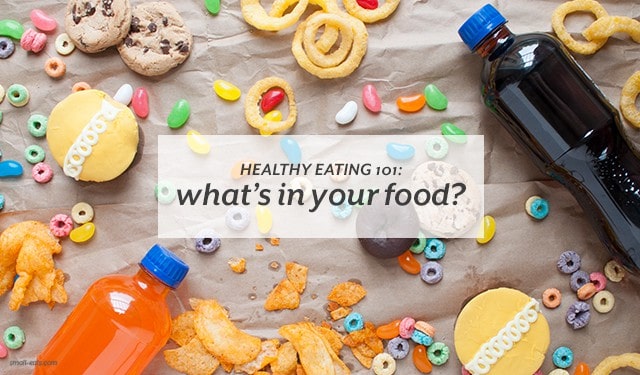
Last week, during a visit to the grocery store, I walked up and down different aisles looking at food items and studying the ingredients on the back of boxes and jars. Do this if you want to understand why so many Americans are unhealthy, sick, and not in the shape we want.
It is not ideal to pursue sustainable wellness by consuming foods that come out of most boxes, cans, and jars at the grocery store. And it’s not necessarily healthy to get grocery store produce because of chemicals that are sprayed on them.
I’ve written about my life-changing move from the suburbs to rural southern Ohio in the Appalachian foothills. It was inspired by a desire to live healthier and simpler, start to grow some of my own food, and locally source as much food as possible. I’m just now wholeheartedly focusing on those goals.
That trip to the grocery store last week reflected my current mindset. Instead of filling my cart with some processed foods, I bypassed them in favor of items that would help me start getting closer to my goals. Clean beef and chicken. Quinoa. Salad kits. Greek yogurt. Sauerkraut. Rao’s soups. I’m getting farm eggs and raw milk from local contacts. I’m searching for some places to get beef and chicken.
The MAHA Wellness Plan is a kickstart because I’m focused on something sustainable, and not temporary. The necessary initial steps include knowing what’s in the food I’m buying, and what is acceptable and unacceptable.
The skit that Samantha and I recorded is funny, and the actual moment it happened was even funnier, but the root subject is serious. The beginning of better health and wellness is knowing what’s in your food and what are the alternatives. One week down. One week closer to initial goals!